How to enhance your Marketing Automation with ChatGPT?

In the competitive world of digital marketing, the use of Artificial Intelligence has become an essential key to success. AtemisCloud, by integrating ChatGPT into its marketing modules, has taken a giant step towards innovation, providing its clients with both powerful and accurate tools to revolutionize their marketing strategies. This article explores the AI uses implemented at AtemisCloud, presents the benefits for the user companies, and invites all others to also take advantage of this integration.
|
Like a Dragon, grow and keep your wisdom in your hands

As we step into the Chinese New Year 2024, the Year of the Dragon, we are reminded of the profound wisdom and symbolism entrenched in Chinese tradition. The Dragon, a benevolent guardian of mankind, brings water, the source of life, symbolizing protection, prosperity, and the nurturing of existence. This year, let's draw a parallel to the modern corporate environment with AtemisCloud, embodying the Dragon's essence to nurture, protect, and cultivate the wisdom within your organization.
|
How can SaaS solutions enhanced by ChatGPT improve the skill sets of employees?

In the age of rapid technological advancement, the integration of Artificial Intelligence (AI) with Software as a Service (SaaS) is reshaping the business landscape. This evolution brings a significant impact on the workforce, especially across key departments like Marketing, Design, Sales, Logistics, Administration, Finance, HR, and After-Sales. While this might initially sound alarming, it's crucial to understand the transformative potential of AI and SaaS, as exemplified by platforms like AtemisCloud.
|
How to use AI and ChatGPT to revolutionize your marketing strategies?
 In the digital age, marketing has evolved from broad, generic strategies to highly personalized customer experiences. 1 to 1 marketing. This shift is largely driven by advancements in artificial intelligence (AI), which have opened new frontiers in how businesses interact with and understand their customers. Among the most groundbreaking of these technologies is ChatGPT, an AI tool that offers dynamic and intelligent capabilities in customer engagement and content creation. A real technological break. In this article, we will explore how the integration of AI, specifically ChatGPT, with innovative solutions like AtemisCloud, is revolutionizing marketing strategies, offering unprecedented customization, improve the quality and reduce drastically the costs for businesses of all sizes.
|
AtemisCloud celebrates its 25th birthday!
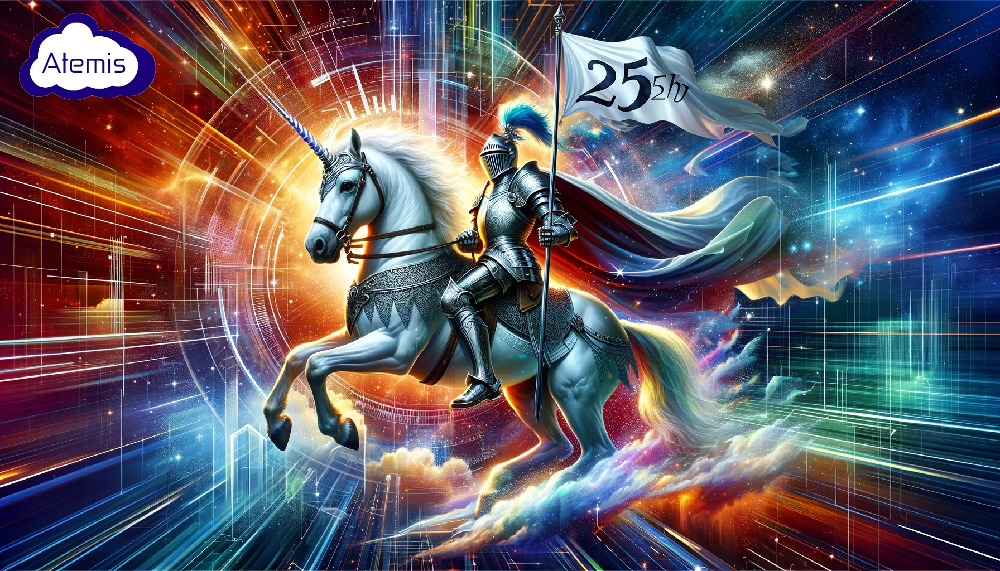 In the fast-paced world of technology, where companies emerge and vanish like fleeting stars, AtemisCloud has quietly and persistently thrived, celebrating its 25th anniversary as a stalwart knight in the realm of the Cloud. For the business community and investors, this silver jubilee is more than a milestone; it's a testament to resilience, innovation, and unwavering dedication to customers.
|
Transforming Business Insights with AtemisCloud: Unleash the Power of Stunning Dashboards
 In today's fast-paced business landscape, data is the lifeblood of decision-making. Companies of all sizes rely on data-driven insights to stay competitive and agile. However, collecting and analyzing data can be a complex and time-consuming process, often involving multiple software solutions and data sources. This is where AtemisCloud shines, offering a comprehensive solution that empowers companies to create stunning dashboards, collect data from various tables in the same database, and turn raw information into actionable insights.
|
Catalyse the revenue growth and cost reduction for SME

Small and medium-sized enterprises (SMEs) are the backbone of many economies, contributing significantly to job creation and economic growth. However, SMEs often face unique challenges in a competitive business landscape, such as limited resources, tight budgets, and the need to do more with less. In this context, AtemisCloud emerges as a powerful tool that can provide SMEs with a much-needed leverage effect, enabling them to boost their revenues while simultaneously reducing costs.
|
Achieving Order from Chaos: AtemisCloud's strategic management solution
In the dynamic and competitive business environment of today, the Latin maxim "Ordo ab Chao" (Order from Chaos) holds profound significance for companies seeking success and growth. The ability to structure strategy and management amidst the chaos of modern business is pivotal. AtemisCloud emerges as a transformative solution that empowers businesses to embrace this maxim, fostering order, structure, and collaboration to drive strategy and management effectiveness.
|
Adapt to the Changing Business Landscape with Digital Transformation

In today's rapidly evolving business landscape, digital transformation is not merely a buzzword; it's a strategic imperative. Companies across industries are embracing digital technologies to stay competitive, improve efficiency, and meet the changing expectations of customers and stakeholders. AtemisCloud plays a pivotal role in this transformative journey, empowering businesses to adapt, innovate, and thrive in the digital age. Let's explore how AtemisCloud contributes to a company's digital transformation journey.
|
Customization and Scalability: Tailoring AtemisCloud to Your Unique Needs
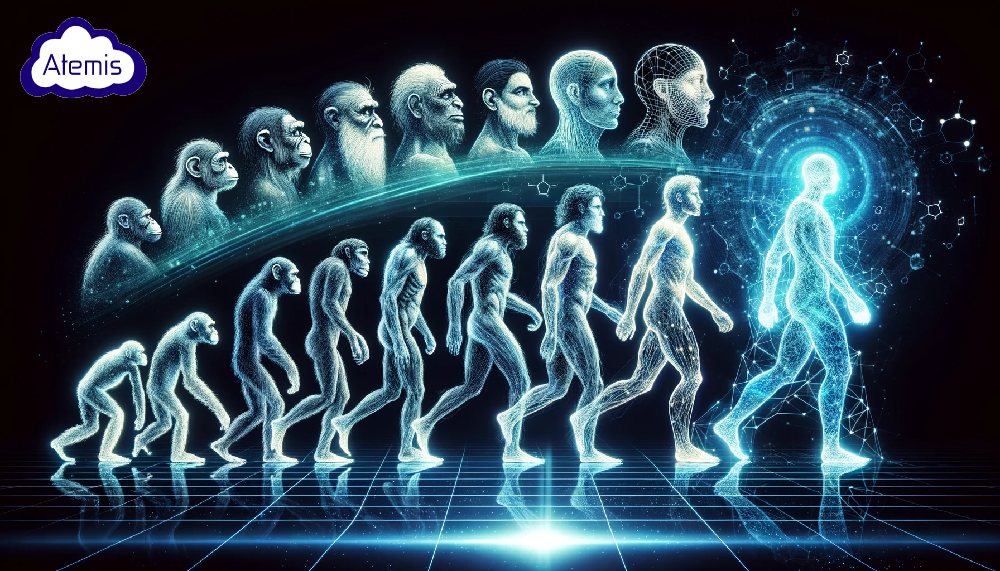
In the ever-evolving world of business, adaptability is key. Companies need solutions that not only meet their current needs but also have the flexibility to grow and evolve alongside them. AtemisCloud understands this imperative and offers businesses the power of customization and scalability. This article explores how businesses can customize AtemisCloud to align with their specific requirements and how the platform scales seamlessly as businesses grow.
|
 | Loading… |
|